
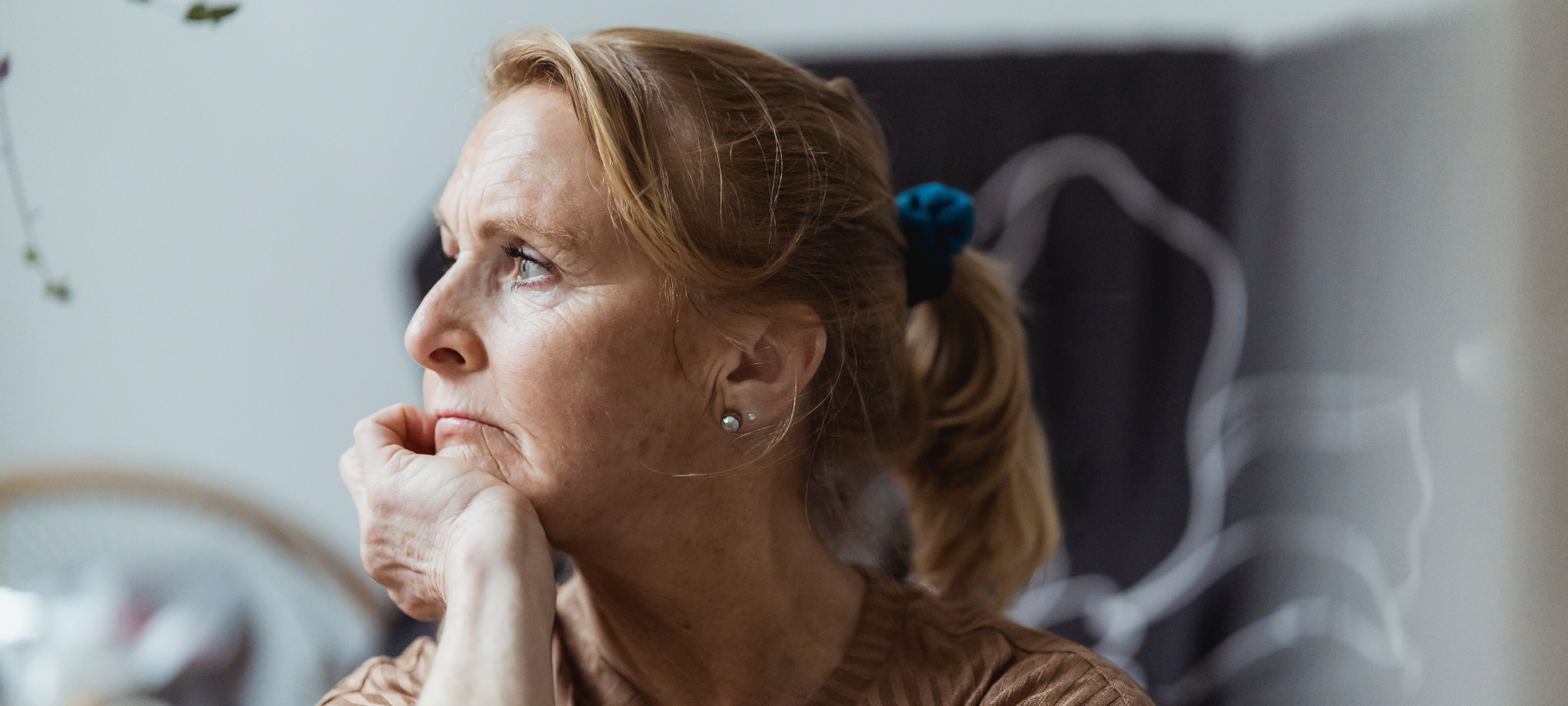
Post-traumatic stress disorder (PTSD) is a type of anxiety that can develop if you’ve witnessed or experienced a frightening, stressful, life-threatening, or unsafe situation, often when you’ve felt extremely fearful or helpless.
Many people think that only war veterans or people in the military can have PTSD, but it can be caused by lots of different experiences, and it can affect anyone.
What can cause PTSD?
There are lots of different situations that can lead to PTSD, some of these could be:
- Being in a car crash
- Having a traumatic childbirth
- Being assaulted, sexually assaulted, or abused
PTSD can develop right away after a traumatic or distressing event, but it can also take a lot longer to develop.
What does PTSD feel like?
People who have PTSD often experience flashbacks or nightmares about the traumatic experience. These can be really disturbing and upsetting, as you relive what happened and feel the same emotions as you did during the event.
Other symptoms of PTSD could include:
- Flashbacks or nightmares about the traumatic experience.
- Not being able to remember details of the traumatic experience.
- Being very alert, e.g. jumping if you hear a particular sound or if someone touches you.
- Avoiding reminders of the traumatic experience.
- Negative thoughts and emotions, such as blaming yourself or other people; feeling isolated, lonely, or angry; or finding it difficult to feel happy.
- Sleep problems.
PTSD can have a big impact your daily life. It can make you feel lonely, isolated, angry, or too anxious or scared to be in certain situations.
What is complex post-traumatic stress disorder?
When someone experiences traumatic experiences repeatedly or long-term, this can sometimes cause complex PTSD.
Some situations that could cause complex PTSD are:
- Childhood abuse or neglect
- Domestic violence
- Torture, sex trafficking, kidnapping or slavery
- War
- Sexual abuse
To find out more about complex PTSD, visit the NHS website.
What can help PTSD?
Regardless of how soon PTSD develops after a distressing event, it can be successfully treated with the right support. The right treatment for you will depend on how intense your symptoms are, and the length of time between the traumatic event and your symptoms.
When you speak to your GP, you might start out by monitoring your symptoms to see if they get better or worse without treatment, or you might feel like you would like support through talking therapies.
PTSD can be treated in an NHS Talking Therapies service, your therapist will provide the best form of support for your situation. You’ll work with your therapist to understand what’s going on for you, work through difficult feelings, and learn coping strategies and techniques to help you feel better.
If you are struggling with PTSD, talking therapies, like counselling Peterborough and Cambridgeshire, Derby and Derbyshire and Wirral residents rely on to support their mental health, can help. At Everyturn, we also offer mental health services to individuals across the UK.
Find out more about NHS Talking Therapies at Everyturn and see if we provide services in your area, or visit the NHS website to find your local NHS Talking Therapy provider.